
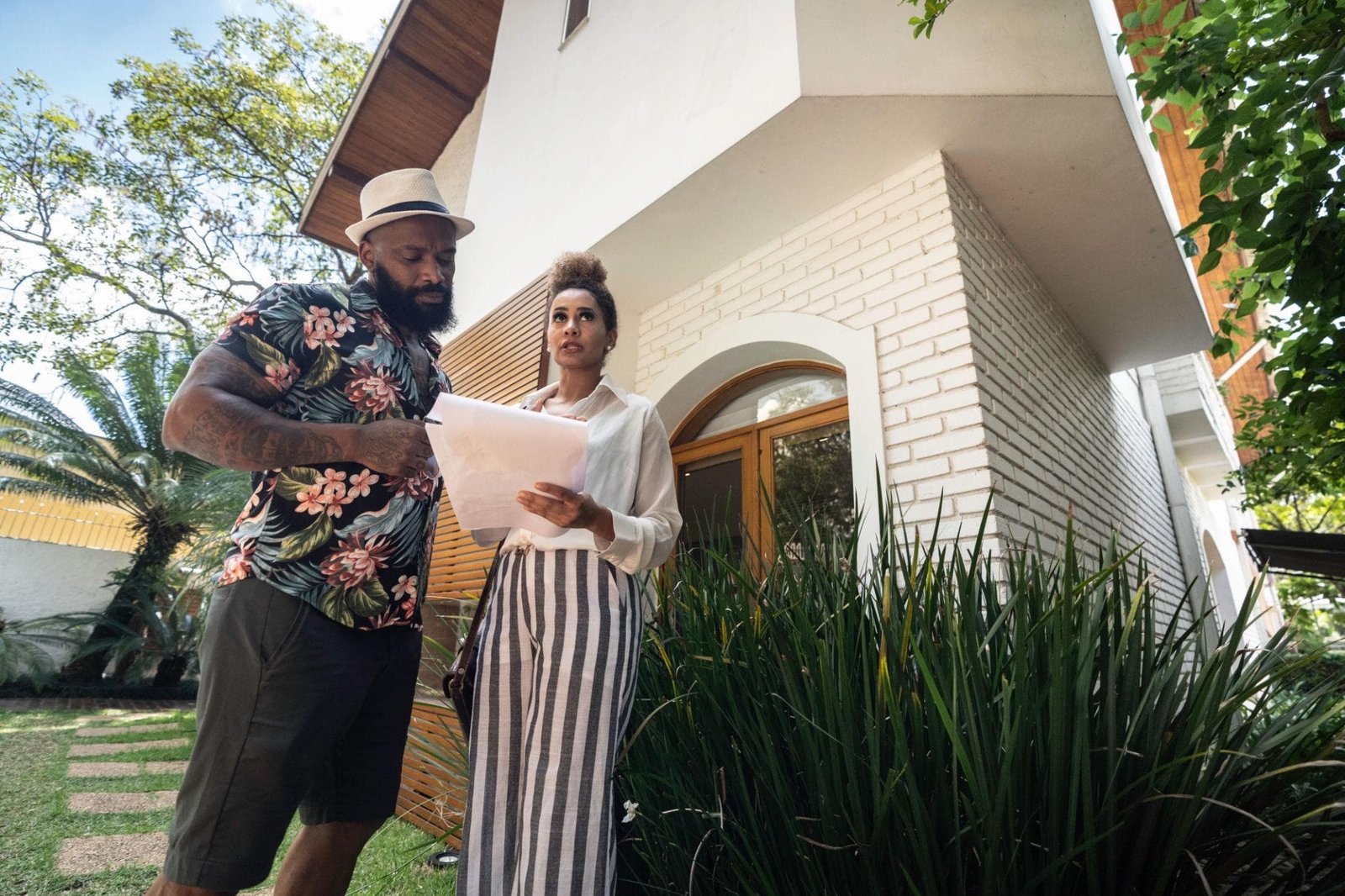
Buying property in Brazil can be an exciting opportunity, whether you are looking for an investment, a second home or a place to live. But the purchase involves more than finding the right property and agreeing on a price.
Property due diligence provides a closer look at the legal, financial and practical aspects of a property before the transaction is completed. This includes checking ownership records, outstanding obligations, documentation and restrictions that may affect the purchase.
A property can look perfect during a viewing while its paperwork tells a different story. A thorough property due diligence in Brazil helps uncover these issues early, giving buyers a clearer picture of what they are purchasing and reducing the risk of costly surprises later.
The Role of Due Diligence in Brazil
Before purchasing property in Brazil, it is important to look beyond the property itself. A house or apartment may look exactly right, while its ownership, documentation or outstanding obligations tell a different story.
This is where due diligence comes in. It is a structured review carried out before a purchase, designed to verify the facts and uncover issues that are not immediately visible. Rather than relying solely on information provided by the seller or agent, the buyer examines the relevant documents, records and circumstances surrounding the property.
For a property purchase, this means checking the legal title, confirming ownership, reviewing debts and taxes, and looking for restrictions that affect the property. The physical property and its documentation also need to match.
In Brazil, the process involves documents such as the matrícula, as well as information from different authorities and parties involved in the transaction. Some issues are straightforward to resolve. Others can have a significant impact on the purchase.
Thorough property due diligence in Brazil gives the buyer a clearer picture before committing to the transaction. It is a relatively small part of the purchasing process, but one that can prevent very large problems later.
Property and Its Legal Title
Verifying the legal title is a fundamental part of property due diligence in Brazil. The property’s matrícula, held by the relevant Cartório de Registro de Imóveis, provides the starting point. It records the registered owner, boundaries, area and important changes in the property’s legal history.
The registration also shows mortgages, liens, usufruct rights, court orders and other restrictions attached to the property. These details deserve careful attention before the purchase moves forward.
The official records should also match the property being sold. An unregistered extension, an additional building or a difference in the registered area can create complications during the purchase or later when the owner wants to sell.
A clear legal title forms the foundation of a secure property transaction.
The Seller and Outstanding Debts
The seller is an important part of the transaction. Due diligence therefore looks beyond the property itself and examines the legal and financial position of the person or company selling it.
Relevant certificates and records are reviewed for tax liabilities, civil claims, lawsuits and other legal proceedings. The purpose is to identify anything that could interfere with the sale or create a problem for the buyer later on.
The same applies to debts attached to the property.
Outstanding IPTU, condominium fees and other charges need to be identified and dealt with before completion. In some cases, this is a simple administrative matter. In others, substantial unpaid obligations can complicate the transaction.
Imagine agreeing on a property at an attractive price, only to discover during the final stages that the seller has significant outstanding debts or is involved in legal proceedings. What looked like a straightforward purchase suddenly requires additional checks, negotiations and legal work.
These issues are much easier to address before the transaction is completed. Checking the seller and outstanding obligations is therefore an essential part of property due diligence in Brazil.
Planning, Zoning and Property Restrictions
A property may have a valid title and still be subject to rules that limit how it is used. Planning and zoning regulations determine what can be built, renovated or operated on a particular property.
This becomes especially relevant when buying land or a property with plans for expansion. An attractive plot, for example, may look ideal for building a holiday home, but local planning rules can restrict the size, height or type of construction permitted.
The existing property also needs to match its official documentation. Extensions, additional buildings or structural changes that were never properly approved or registered can create complications during the purchase or when the owner later wants to renovate or sell.
Location brings another layer of restrictions. Properties in coastal areas, protected environmental zones or areas subject to specific municipal regulations often face additional requirements.
These checks help establish whether the property fits not only the buyer’s plans, but also the rules that apply to it.
Condominium Rules and Short-Term Rentals
When purchasing an apartment in Brazil, the condominium deserves its own place in the due diligence process. The building has its own rules, financial obligations and internal regulations, and these rules apply to the individual units as well.
The convenção de condomínio and regimento interno set out how the condominium operates. They cover matters such as common areas, renovations, noise, pets, parking and the use of individual units.
For investors, short-term rentals deserve particular attention. A property advertised as an attractive Airbnb investment is only useful as such if the condominium rules allow this type of rental. Restrictions on short-term accommodation are not always obvious from the property listing.
The condominium’s financial position also matters. Outstanding fees, planned major works or special assessments can create additional costs for the new owner.
Reviewing the condominium documentation before purchasing gives the buyer a better understanding of the rules, costs and practical limitations attached to the property.
Physical Condition and Financial Considerations
Legal checks are only one side of property due diligence. The physical and financial condition of the property also deserves a close look.
For an existing property, this means checking its general condition, construction quality, maintenance history and any visible structural or technical issues. Major repairs can quickly change the economics of a purchase, particularly when the property has been vacant or poorly maintained.
The financial picture goes beyond the purchase price. Property taxes, condominium fees, insurance, maintenance and renovation costs all contribute to the real cost of ownership.
For an investment property, expected rental income and operating costs belong in the assessment as well. A property with an attractive purchase price does not automatically make a good investment once the full cost structure is taken into account.
Why a Local Buyer’s Agent Matters in Brazil
Buying property in Brazil without local support has led to some very expensive surprises. Buyers have discovered unregistered extensions, unpaid condominium fees or restrictions on short-term rentals only after committing to a property. Others have bought land that did not allow the construction they had planned.
These problems are rarely visible in a property listing. They require someone to look beyond the sales material and understand how the property fits within its local legal and practical context.
A local buyer’s agent works on the buyer’s side. They assess properties, understand local markets, coordinate with lawyers and other professionals, and help verify the information provided by the seller or selling agent.
Local knowledge also matters before the due diligence even begins. The right neighbourhood, property type and location depend on what the buyer actually wants to achieve — whether that means rental income, a second home or a permanent residence.
At Ipanema Property, we help international buyers navigate the purchasing process in Brazil, from finding suitable properties to acquisition and local coordination. Our role is to make the process more transparent and help buyers make informed decisions.