
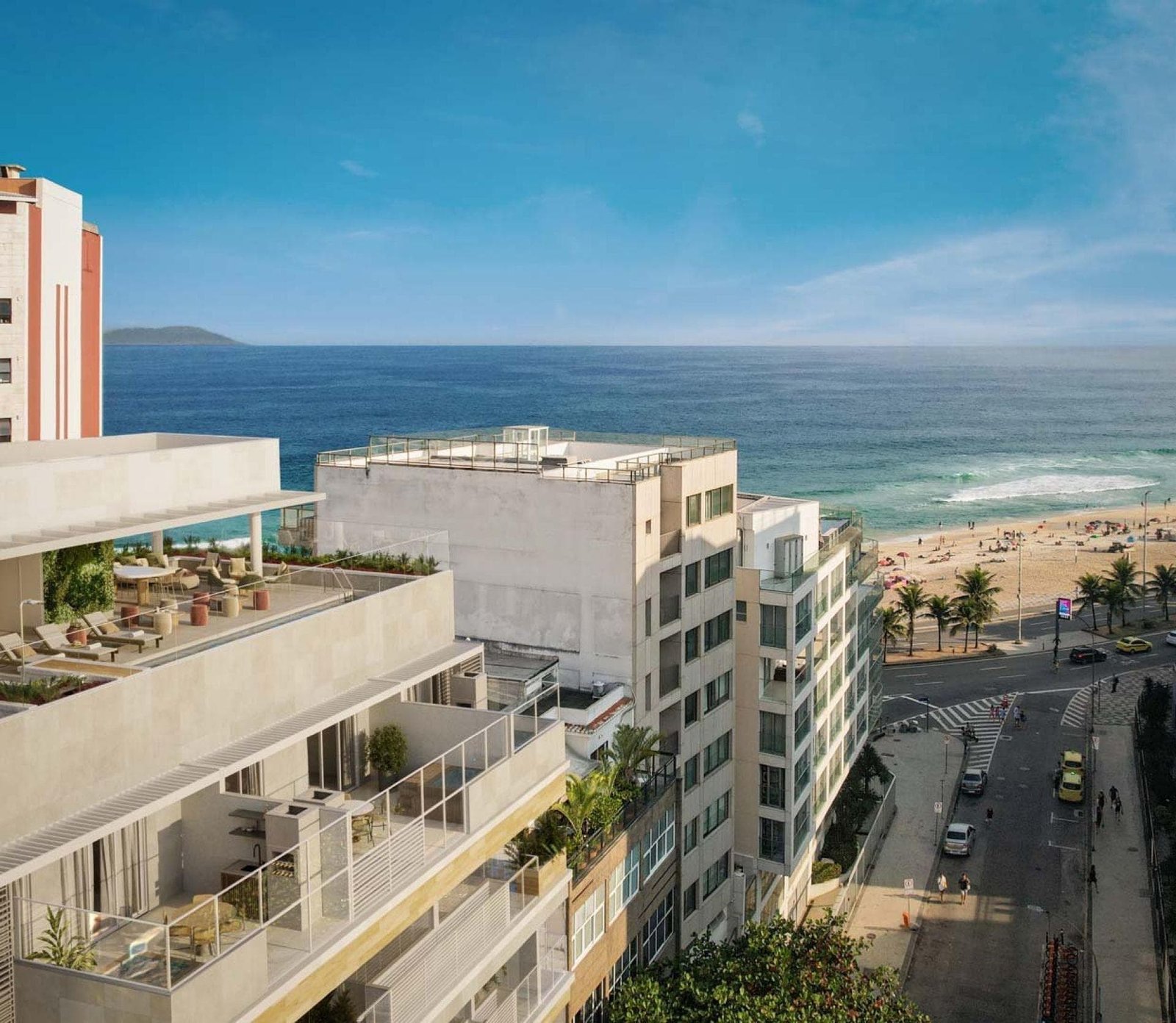
Before you look at a single listing, decide what kind of home you are buying. An apartment in a coastal city, a detached house in a residential neighbourhood and a pied-à-terre for occasional stays give you very different lives, with different levels of privacy, responsibility and monthly bills.
Brazil’s housing stock is dominated by houses. According to the Brazilian Institute of Geography and Statistics (IBGE), houses made up 82.7% of permanent private housing in 2025 and apartments 17.1%. Apartments are catching up fast, though: their number grew by 48.7% between 2016 and 2025, a sign of how much city life in Brazil now happens in apartment buildings.
The right choice depends on how you use the property. Do you live in Brazil full-time, split the year between Brazil and another country, or want a base for holidays and family visits? Your answer decides how much space, security and maintenance you need.
Apartments: Convenience in the City and on the Coast
Apartments dominate Brazil’s major cities and coastal destinations, and for good reason. You get a central location, shared facilities and no exterior to look after. Options run from compact studios to family apartments with several bedrooms, balconies and sea views.
The condomínio fee. This monthly contribution pays for the upkeep of shared areas and services: security, lifts, swimming pools, gyms, reception staff and communal maintenance. A building with extensive facilities and on-site staff comes with substantial monthly charges, so check the figure before you make an offer.
Rules and independence. A unit in a large complex gives you controlled access and plenty of facilities. A smaller building has fewer services and lower running costs. Rules on pets, renovations and short-term rentals differ from one condominium to the next, so read them before you commit.
If you spend only part of the year in Brazil, an apartment works well because the building manages the exterior and common areas collectively. You remain responsible for your own unit, and the condominium fees keep running while it stands empty.
Best for: buyers who put location, convenience and shared facilities first, and want a home that needs little hands-on management.
Houses: Space, Privacy and Independence
A house gives you your own outdoor space, full control over the property and the freedom to adapt it. Depending on the location, that can mean a garden, swimming pool, garage or separate guest accommodation. Houses are common in residential neighbourhoods outside the busiest centres, in coastal towns and in suburban areas, and they suit families, permanent movers and anyone planning long stays.
The price of that freedom is maintenance. You are directly responsible for the building, roof, garden, pool and everything else on the plot. Repairs are more involved than in an apartment, especially in older houses and in coastal locations where humidity and salt air take their toll. Check drainage, roofing, structural condition and the security of the plot before you buy.
Security deserves your full attention. Perimeter walls, gates, alarms and private security arrangements help, but none of them removes the risk. The surrounding neighbourhood, the access roads and the distance to everyday services matter just as much when you compare properties.
A house also gives you more room for renovations and extensions than an apartment does. Local planning rules and registration requirements still apply, so check any existing extension or alteration against the property’s documentation before you buy.
Best for: buyers who value privacy, outdoor space and independence, and are ready to take direct responsibility for maintenance and security.
Pied-à-Terre: Your Own Base for Shorter Stays
A pied-à-terre is a secondary home for holidays, business trips and extended visits. Instead of keeping a large property empty for most of the year, you own a compact apartment that is always ready when you arrive. In Brazil that might be a studio near the beach, a one-bedroom apartment in the city centre or a small place near family, business contacts or the destinations you visit most.
Convenience comes first here: a manageable space, easy access to transport and services, and a location that makes every stay worthwhile.
Costs keep running. Condominium fees, property tax (IPTU), utilities and maintenance continue when nobody is there. A building with a concierge or controlled access makes arrivals and departures easier, but those services push up the monthly bill.
Someone has to look after it. While you are abroad, someone needs to arrange repairs, check the flat after heavy rain, receive deliveries and deal with the condominium administration. A local property manager takes care of this, at an added cost.
Renting it out. Many owners rent out their pied-à-terre when they are not using it, which helps cover expenses. Income depends on local demand, building rules and the practical side of cleaning, guest access and maintenance. Never assume short-term rentals are allowed: check the condominium regulations and local requirements first. Our article on short-term rentals in Brazil explains what to look for.
Best for: buyers who visit Brazil regularly and want their own base without the space and upkeep of a larger home.
What Ownership Really Costs
The purchase price is only the start. Condominium fees, municipal property tax, maintenance and utilities all add to what the property costs you each year, and which of them apply depends on the property type, location and facilities.
The condominium fee (taxa de condomínio) applies to apartments and to other properties inside a condominium, including houses in gated communities. It covers building maintenance, lifts, security and communal facilities, and buildings with pools, gyms and extensive on-site services charge more.
IPTU is an annual municipal tax. The amount depends on the property’s assessed value, its location and local rules, so ask for the current IPTU figure instead of estimating it from the purchase price.
Maintenance and utilities scale with the size, age and condition of the property. A house owner pays for the entire property, roof, garden and pool included. An apartment owner pays for the unit, while shared building costs are covered through the condominium fee.
For a property you use only occasionally, remember that many costs continue while it stands empty, and that local support for inspections, repairs and access adds to the bill.
Before you make an offer, ask for the latest condominium statements, the IPTU documentation and any available maintenance records. They give you a far more reliable picture of the ongoing commitment than the purchase price does.
Choose the Location First
A centrally located apartment may offer convenient access to shops, restaurants and public transport. A house in a residential neighbourhood may provide more space but require a car for everyday activities. A pied-à-terre close to the places you visit regularly can reduce travel time during shorter stays.
Consider your typical routine in Brazil before deciding. The distance to supermarkets, healthcare, transport and other essential services can make a substantial difference to the property’s practical value.
The key decision is how the property will fit into your life. Start with your intended use, establish a realistic budget for both the purchase and ongoing ownership, and then compare properties in locations that match your priorities.
The Costs of Ownership
The purchase price is only part of the cost of owning property in Brazil. Condominium fees, municipal property tax, maintenance and utilities all affect the total cost of ownership. Which expenses apply, and how much they cost, depends on the property type, location and facilities.
Condominium fees (taxa de condomínio) apply to apartments and other properties within a condominium. They cover shared expenses such as building maintenance, lifts, security and communal facilities. Buildings with swimming pools, gyms and extensive on-site services generally have more facilities to maintain, which can increase monthly charges. Houses within gated communities may also incur condominium fees.
Impuesto municipal sobre la propiedad (IPTU) is an annual tax levied by the municipality. The amount depends on factors including the property’s assessed value, location and applicable municipal rules. Buyers should check the current IPTU amount rather than estimate it solely from the purchase price.
Maintenance and utilities vary with the property’s size, age and condition. House owners are generally responsible for the entire property, including roofs, gardens and swimming pools. Apartment owners remain responsible for their own unit, while common building expenses are shared through condominium fees.
For a property used only occasionally, ongoing expenses deserve particular attention. Some costs continue even when nobody is staying there. Arranging local support for inspections, repairs and access can also create additional expenses.
Before making an offer, request the latest condominium statements, IPTU documentation and available maintenance records. These figures provide a more reliable picture of the ongoing financial commitment than the purchase price alone.
Choose the Location First
Location shapes daily life as much as the property type does. A central apartment puts shops, restaurants and public transport on your doorstep. A house in a residential neighbourhood gives you more space but often means driving for everyday errands. A pied-à-terre close to the places you visit regularly saves time on shorter stays.
Daily services. Supermarkets, healthcare, restaurants and public transport make a big difference, especially if you plan to live in Brazil permanently. Someone relocating will weigh schools, healthcare and daily transport. Someone visiting a few times a year will look for restaurants, beaches and amenities within walking distance.
Climate and surroundings. Coastal areas give you the beach but expose buildings to humidity and salt air. Inland neighbourhoods offer a different balance of climate, green space and urban convenience.
Travel and access. Think about the distance to airports, business districts and family. A property that works for a two-week holiday can be impractical as a permanent home. If you are counting on rental income, assess local demand and whether the property suits the rental market you have in mind.
Pick the neighbourhood before you narrow down the property type. Comparing locations first sets a realistic budget and makes the right homes easier to spot.
How We Help You Find the Right Property
Choosing between an apartment, a house and a pied-à-terre is the first step. Next, settle three things: the purpose (permanent home, second residence or investment), a budget that covers the purchase price, transaction costs and ongoing expenses, and the neighbourhoods that match your lifestyle.
Local knowledge counts for a lot from there. Asking prices, building conditions, condominium rules and neighbourhood character vary widely, and comparing on price alone leads to wrong conclusions. Our independent Buyer’s Agent services start with your requirements, not with whatever happens to be listed. We help you identify suitable properties, compare alternatives, check the legal side through due diligence ↗ and negotiate with the seller.
Looking for property in Brazil? Contact Ipanema Property and tell us what you need.