
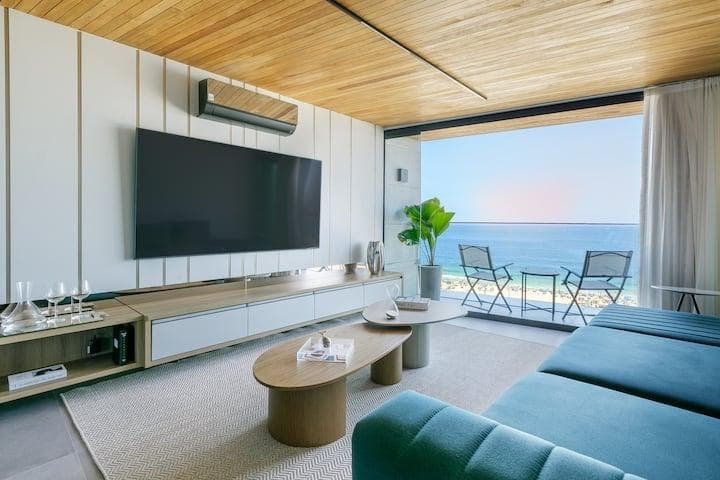
Short-term rentals have become a common way to put residential property to work in Brazil, especially in destinations with strong tourism demand. Airbnb and similar platforms make it easy to offer an apartment or house to visitors for a few nights at a time.
Owning a property does not mean you can rent it out that way, though. The answer depends on the property itself, the condominium it sits in and the local regulations. Below we cover the legal framework, condominium rules, short-term versus long-term rental, what makes a property work for guests, how to manage it and how rental income is taxed.
Is Short-Term Rental Legal in Brazil?
Yes. Brazilian law recognises locação para temporada, or temporary rental, for residential stays of up to 90 days, and the Lei do Inquilinato defines this type of rental and sets the rules for it.
Renting through a platform like Airbnb is a different matter from a conventional seasonal rental. The Brazilian Superior Court of Justice (STJ) treats frequent, commercial short-term stays as a distinct type of arrangement, neither a normal seasonal rental nor hotel accommodation. In May 2026 the court ruled that repeated commercial or professionalised short-term stays can change the residential character of a condominium. Where the condominium is designated for residential use, such activity needs the approval of two-thirds of the owners.
So legality works on two levels. National law permits temporary rental, and the rules of your condominium decide whether your apartment can be used for frequent short stays. The platform settles nothing: an apartment listed on Airbnb can fall under different legal arrangements depending on how you use it, how often guests stay and what the building’s rules say. The question for an owner is not whether Airbnb is legal in Brazil, but whether your rental model is permitted for your property and your condominium.
Condominium Rules Decide
Apartment buildings in Brazil are governed by a convenção de condomínio and an internal regulation (regimento interno). These documents set out how common areas and individual units may be used, and they can contain rules on short-term rentals. The STJ has confirmed that owners can restrict or prohibit short-term rentals when they conflict with the residential purpose of the building. For frequent, commercial short-term accommodation, condominium approval may be required.
Check before you buy. If you are buying an apartment to rent out short-term, review the condominium documentation before completion. Do not assume a unit can go on Airbnb because the law allows temporary rental. One building may welcome short stays while its neighbour restricts or bans them. Our article on property due diligence in Brazil shows how this check fits into the purchase.
Rules can change. Owners can amend their internal rules, and disputes over short-term rentals can end up in court. Look at the condominium’s current position as well as the text of its rules.
Short-Term vs. Long-Term Rental
The choice between the two shapes how you use the apartment, how much work it takes and what it earns.
Kurzzeitmiete means renting to tourists and other temporary visitors, through platforms like Airbnb and Booking.com. You gain flexibility: rent during high-demand periods and keep the property free for your own use the rest of the time. Where tourism demand is strong, gross income can exceed that of a conventional lease. The cost is active management. Guest communication, check-ins, cleaning, maintenance and constant changes of occupant all need organising, and occupancy swings through the year.
Langzeitmiete means leasing to a tenant under a conventional residential lease. You get more predictable occupancy and income and far less day-to-day work. In return you give up flexibility, and depending on the property and location, income can be lower than a successful short-term operation.
Neither model is better by default. Short-term rental offers flexibility and potentially higher gross income, with more management and variable occupancy. Long-term rental offers stability and a simpler relationship with the tenant. If you are buying as an investment, decide on the rental model first, because it determines which properties and locations make economic sense.
What Makes a Property Work for Short-Term Rental
Location. Strong tourism demand is the base: proximity to beaches, city centres, restaurants, cultural attractions and transport connections. The immediate surroundings matter as much as the destination.
The property. A practical layout, good natural light, outdoor space, air conditioning, reliable internet and well-kept interiors all raise a property’s appeal to guests.
The building. A pool, gym, parking, security and attractive common areas add to the appeal, though they push up condominium fees.
Permitted use. A popular tourist destination and a perfect-looking apartment mean nothing if the condominium rules restrict or prohibit short-term rentals.
The strongest short-term rental properties combine location, quality, guest appeal and permitted use.
Managing a Short-Term Rental
A short-term rental requires more active management than a conventional long-term rental. Guests may change every few days, while cleaning, maintenance and communication need to be handled continuously.
Guest Management
Managing bookings involves more than receiving reservations. Guests typically require information before arrival, instructions for accessing the property and support during their stay.
Check-in and check-out arrangements also need to be organised. Depending on the property and building, this can involve a key handover, a digital access system or a local representative.
Cleaning and Maintenance
Frequent guest turnover means that the property needs to be cleaned and inspected between stays. Linens and towels need to be replaced, and small maintenance issues can arise more frequently than with a long-term tenant.
Regular maintenance is also important for protecting the condition of the property and ensuring that it remains suitable for guests.
Managing the Property from Abroad
For owners who do not live in Brazil, managing these activities remotely can be difficult. A local property manager can coordinate bookings, guest communication, cleaning, maintenance and emergencies on the owner’s behalf.
The level of management required depends on the property, its location and the owner’s involvement. Some owners manage bookings and guest communication themselves while outsourcing cleaning and maintenance, while others use a full-service property management company.
The management model is therefore an important practical consideration when operating a short-term rental, particularly when the owner is based outside Brazil.
Taxes on Rental Income
Short-term rental income from a property in Brazil can be subject to Brazilian taxation. The treatment depends on who owns the property, how the rental activity is structured and the owner’s tax residency.
For an individual owner, rental income is taxable and can be subject to Brazilian income tax. Calculation and reporting requirements differ for Brazilian tax residents and non-residents. If you live outside Brazil, check the tax rules in your country of residence as well. Rental income from Brazilian property can have tax implications in both countries, and tax treaties and foreign tax credit rules determine how double taxation is addressed.
Owning and operating the property through a Brazilian company changes the tax treatment, but setting up a company just for property ownership adds accounting, administrative and compliance requirements. Assess taxation as part of the overall rental structure, together with the purchase and the intended use, never separately.
How We Help
Short-term rental can be an attractive way to earn income from property in Brazil, especially in areas with strong tourism demand. The legal framework, condominium rules, tax treatment and day-to-day management all need to be settled before you start.
Ipanema Property helps owners assess the potential of short-term rentals and supports the practical management of properties in Brazil. Thinking of buying a property to rent out short-term, or already own one and want to know its rental potential? Contact Ipanema Property and we will go through your options.