
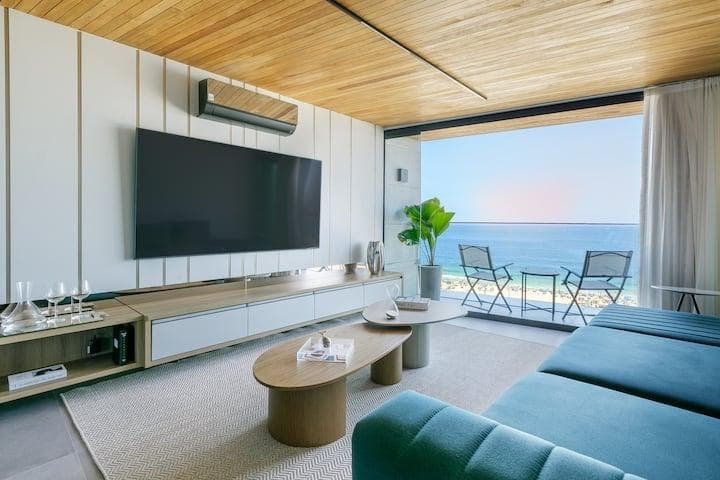
Short-term rentals have become an increasingly common way to use residential property in Brazil, particularly in destinations with strong tourism demand. Platforms such as Airbnb have made it easier for property owners to offer apartments and houses to visitors for shorter stays.
But owning a property does not automatically mean that it can be rented out on a short-term basis. The rules can depend on the property itself, the condominium in which it is located and the applicable local regulations.
This guide explains the main considerations surrounding short-term rentals in Brazil, including the legal framework, condominium rules, the differences between short- and long-term rentals, practical requirements for managing a rental property and the tax treatment of rental income.
Is Short-Term Rental Legal in Brazil?
Yes, short-term rental is not generally prohibited in Brazil. Brazilian law recognises locação para temporada, or temporary rental, for residential stays of up to 90 days. The Lei do Inquilinato specifically defines this type of rental and sets out the applicable rules.
However, renting a property through a platform such as Airbnb is not simply a matter of applying the rules for a conventional seasonal rental. The Brazilian Superior Court of Justice (STJ) has treated frequent, commercial short-term stays as a distinct type of arrangement, rather than automatically classifying them as either a normal seasonal rental or hotel accommodation.
This distinction became particularly important following an STJ decision in May 2026. The court held that repeated commercial or professionalised short-term stays can change the residential character of a condominium. Where the condominium is designated for residential use, such activity requires approval by two-thirds of the condominium owners.
This means that the legality of short-term rental has to be considered at more than one level. The national legal framework permits temporary rental, but the rules of the specific condominium can determine whether an apartment may actually be used for frequent short-term stays.
The platform itself does not determine the legal status of the rental. An apartment advertised through Airbnb can still fall under different legal arrangements depending on how the property is used, the frequency of stays and the rules governing the building.
For property owners, the key question is therefore not simply whether Airbnb is legal in Brazil, but whether the intended short-term rental model is permitted for the specific property and condominium.
The Role of Condominium Rules
Although Brazilian law allows temporary rentals, the rules of the individual condominium can place important limitations on how an apartment is used.
In Brazil, apartment buildings are generally governed by a convenção de condomínio and the building’s internal regulations (regimento interno). These documents establish how the common areas and individual units may be used and can contain rules concerning short-term rentals.
This became particularly relevant following decisions by Brazil’s Superior Court of Justice (STJ). The court has recognised that condominium owners can restrict or prohibit short-term rentals when these are inconsistent with the residential purpose of the building. In cases involving frequent, commercial short-term accommodation, condominium approval may therefore be required.
Check the Rules Before Buying
For a property intended for short-term rental, the condominium documentation should be reviewed before the purchase is completed. It is not sufficient to assume that an apartment can be listed on Airbnb simply because short-term rentals are generally permitted under Brazilian law.
The rules can differ between buildings, even within the same neighbourhood. One condominium may allow short stays, while another may restrict them or prohibit them altogether.
The practical situation can also change over time. Condominium owners can amend their internal rules, and disputes over short-term rentals can ultimately be brought before the courts.
For this reason, the condominium’s rules and current position on short-term rentals are an important part of assessing whether a property is suitable for Airbnb or another short-term rental platform.
Short-Term vs. Long-Term Rental
The choice between short-term and long-term rental can have a significant impact on how an apartment is used and managed, as well as on its potential rental income.
Short-Term Rental
Short-term rental involves renting a property for relatively brief stays, typically to tourists or other temporary visitors. Platforms such as Airbnb and Booking.com have made this model widely accessible to property owners.
The main advantage is flexibility. A property can be rented during periods of high demand and kept available for personal use at other times. In locations with strong tourism demand, short-term rentals can also generate higher gross rental income than a conventional long-term lease.
At the same time, short-term rental requires more active management. Guest communication, check-ins, cleaning, maintenance and frequent changes of occupants all need to be organised. Occupancy can also fluctuate significantly throughout the year.
Long-Term Rental
Long-term rental involves leasing the property to a tenant for a longer period under a conventional residential lease.
This model generally provides greater predictability in terms of occupancy and income, while requiring less day-to-day management. The trade-off is reduced flexibility for the owner and, depending on the property and location, potentially lower rental income compared with successful short-term operation.
Choosing Between the Two
Neither model is inherently better. The appropriate approach depends on the property, its location, the owner’s objectives and the applicable rules.
Short-term rental can provide greater flexibility and potentially higher gross income, but involves more management and variable occupancy. Long-term rental tends to provide greater stability and a more predictable relationship with the tenant.
The distinction is particularly relevant when purchasing a property specifically as an investment, as the expected rental model can influence which properties and locations make economic sense.
What Makes a Property Suitable for Short-Term Rental?
Not every property is equally suited to short-term rental. Location, property characteristics, building rules and the surrounding tourism market all influence the potential of an apartment or house as a short-term rental.
Properties in areas with strong tourism demand generally have greater potential, particularly when they are close to beaches, city centres, restaurants, cultural attractions or transport connections. The property’s immediate surroundings can be just as important as the broader destination.
The property itself also matters. Features such as a practical layout, good natural light, outdoor space, air conditioning, reliable internet and well-maintained interiors can influence how attractive a property is to short-term guests.
The building can also play an important role. Facilities such as a swimming pool, gym, parking, security and common outdoor areas can add to the appeal of a property, although they may also result in higher condominium fees.
Finally, the rules governing the property need to be considered. A property may be located in a popular tourist destination and appear well suited to Airbnb, while the condominium rules may restrict or prohibit short-term rentals.
The strongest short-term rental properties therefore combine location, property quality, guest appeal and permitted use.
Managing a Short-Term Rental
A short-term rental requires more active management than a conventional long-term rental. Guests may change every few days, while cleaning, maintenance and communication need to be handled continuously.
Guest Management
Managing bookings involves more than receiving reservations. Guests typically require information before arrival, instructions for accessing the property and support during their stay.
Check-in and check-out arrangements also need to be organised. Depending on the property and building, this can involve a key handover, a digital access system or a local representative.
Cleaning and Maintenance
Frequent guest turnover means that the property needs to be cleaned and inspected between stays. Linens and towels need to be replaced, and small maintenance issues can arise more frequently than with a long-term tenant.
Regular maintenance is also important for protecting the condition of the property and ensuring that it remains suitable for guests.
Managing the Property from Abroad
For owners who do not live in Brazil, managing these activities remotely can be difficult. A local property manager can coordinate bookings, guest communication, cleaning, maintenance and emergencies on the owner’s behalf.
The level of management required depends on the property, its location and the owner’s involvement. Some owners manage bookings and guest communication themselves while outsourcing cleaning and maintenance, while others use a full-service property management company.
The management model is therefore an important practical consideration when operating a short-term rental, particularly when the owner is based outside Brazil.
Taxes and Rental Income
Short-term rental income generated from a property in Brazil can be subject to Brazilian taxation. The applicable treatment depends on factors such as who owns the property, how the rental activity is structured and the owner’s tax residency.
For an individual owner, rental income is generally treated as taxable income and may be subject to Brazilian income tax. The calculation and reporting requirements can differ depending on whether the owner is a Brazilian tax resident or a non-resident.
Owners who live outside Brazil should also consider the tax rules in their country of residence. Rental income from Brazilian property can potentially have tax implications in both countries, with applicable tax treaties and foreign tax credit rules determining how double taxation is addressed.
The use of a Brazilian company to own and operate rental property can result in a different tax treatment. However, establishing a company solely for property ownership involves additional accounting, administrative and compliance requirements.
Taxation should therefore be assessed as part of the overall rental structure rather than considered separately from the property purchase and intended use.
Next Steps
Short-term rental can offer an attractive way to generate income from a property in Brazil, particularly in areas with strong tourism demand. At the same time, the legal framework, condominium rules, tax treatment and practical management all need to be considered before starting.
Ipanema Property helps property owners assess the potential of short-term rentals and supports the practical management of properties in Brazil.
If you are considering buying a property for short-term rental, or already own a property in Brazil and want to explore its rental potential, get in touch with Ipanema Property to discuss your options.