
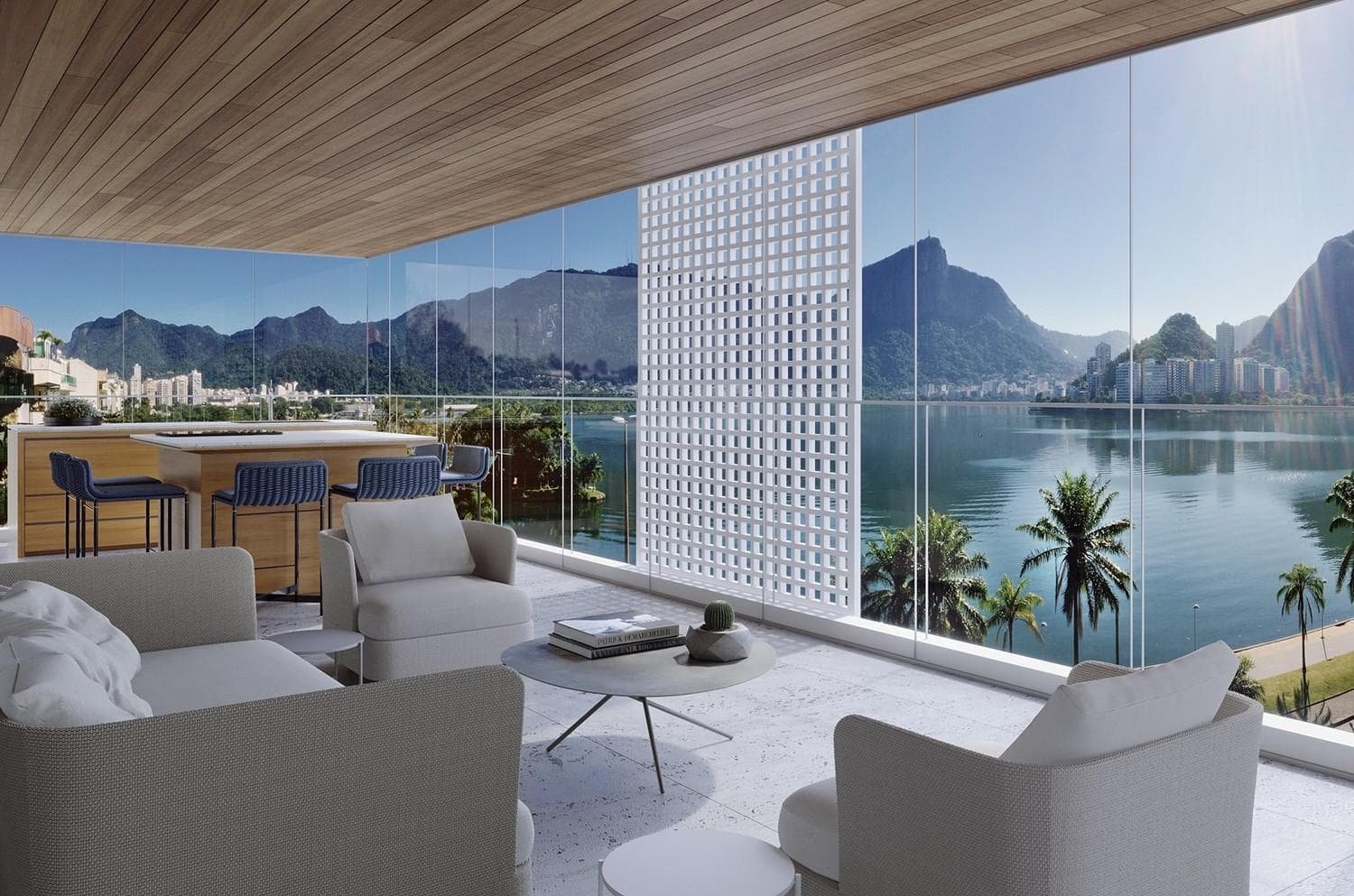
Rio de Janeiro offers a diverse residential property market, from apartments overlooking the beaches of Ipanema and Copacabana to modern developments in Barra da Tijuca and emerging areas across the city. Property types, prices and demand can differ considerably from one neighbourhood to another.
For those considering buying an apartment in Rio, understanding the local market is an important first step. Foreign ownership is possible, but the purchase also involves specific documentation, property characteristics, local costs and legal checks that are important to understand before completing a transaction.
This guide looks at the key aspects of buying an apartment in Rio de Janeiro, including the rules for foreign buyers, different types of property, the distinction between living in and renting out a property, the characteristics of Rio’s main locations, due diligence and the possibility of completing the purchase remotely.
Can Foreigners Buy Apartments in Rio?
Yes. Foreigners can generally purchase apartments and other urban properties in Río de Janeiro, even if they are not Brazilian residents. Ownership of an apartment does not require the buyer to first obtain Brazilian residency.
The main distinction is between urban and rural property. Brazilian law places specific restrictions on the acquisition of rural land by foreigners, while these rules do not generally apply to ordinary urban properties such as apartments in Rio.
A foreign buyer will need a CPF (Cadastro de Pessoas Físicas), Brazil’s individual taxpayer identification number. Foreign residents and non-residents who own assets or rights in Brazil are required to have a CPF.
The purchase can also be funded from outside Brazil. The Central Bank of Brazil allows non-residents to pay for Brazilian real estate through an authorised foreign-exchange institution, including by transferring funds from abroad to the seller or through a Brazilian account held by the non-resident.
There are some exceptions and special cases. For example, certain properties belonging to the Brazilian federal government can require prior authorisation when transferred to a foreign buyer. These cases are separate from the standard purchase of a privately owned apartment.
Property Ownership and Residency Are Separate
Buying an apartment in Rio does not automatically grant the owner the right to live in Brazil. Property ownership and immigration status are separate matters.
Brazil does, however, have a residence route linked to qualifying real estate investment. Under the current rules, an investment of at least R$1 million in urban real estate can qualify for an investor residence application, subject to the applicable requirements. The rules also allow the investment to cover one or more properties.
This distinction is important when considering a property purchase in Rio: buying property is possible without Brazilian residency, while a qualifying property investment can also form the basis of a separate residence application.
Understanding Property Types
Apartments in Rio de Janeiro vary considerably in size, age, layout and building standards. The type of property can have a significant impact on both its purchase price and its ongoing costs.
In the established neighbourhoods of Zona Sul, such as Ipanema, Leblon and Copacabana, a large part of the housing stock consists of older apartment buildings. Many were built several decades ago and offer generous floor plans, large rooms and established locations close to the beach. At the same time, the condition of individual buildings and apartments can vary significantly, making the age and maintenance history of the property relevant factors.
Newer developments offer a different proposition. Modern buildings may include facilities such as swimming pools, gyms, security services, parking and shared leisure areas. These features can increase both the appeal of a property and its monthly condominium costs.
Another distinction is between traditional residential apartments and apart-hotel or serviced-apartment developments. These properties can include hotel-style services and facilities and are often found in areas with strong tourism demand. Their ownership structure, condominium rules and permitted use can differ from those of a conventional residential apartment.
In Barra da Tijuca and Recreio dos Bandeirantes, larger condominium developments are particularly common. These projects often combine residential buildings with extensive shared facilities, green areas, leisure spaces and security. Apartments also tend to offer more space than comparable properties in the older, denser neighbourhoods of Zona Sul.
The position of the apartment within a building can also make a substantial difference. Floor level, orientation, natural light, views, ventilation, noise and proximity to the beach or major roads can all influence the property’s value and appeal.
As a result, two apartments with a similar size and asking price can represent very different properties. The building, apartment itself and its exact position within the neighbourhood all need to be considered when assessing a purchase.
Living in or Renting Out
An apartment in Rio de Janeiro can serve very different purposes. Some properties are purchased as a primary or second home, while others are acquired primarily for rental income. There is also a growing middle ground where owners combine personal use with short-term rentals during periods when they are not in Brazil.
Living in the Property
For those planning to live in the apartment, factors such as the neighbourhood, access to everyday services, public transport, schools and proximity to the beach can be more important than rental potential.
The character of the building also matters. Older buildings in areas such as Ipanema, Leblon and Copacabana can offer larger apartments and established locations, while newer developments in areas such as Barra da Tijuca often provide more modern facilities and shared amenities.
Long-Term Rental
Long-term rentals provide a more traditional rental model, with a tenant occupying the property for an extended period. Demand varies across Rio depending on the neighbourhood, property size and type of apartment.
Areas with strong residential demand can be suitable for this approach, particularly where properties are close to employment centres, public transport, universities and everyday amenities.
Short-Term Rental
Rio’s strong tourism market creates significant demand for short-term accommodation, particularly in areas such as Copacabana and Ipanema. However, the suitability of an apartment for short-term rental depends on more than its location.
Condominium rules can determine whether short-term rentals are permitted, while the property’s layout, building facilities and proximity to attractions can also influence its rental performance.
Combining Personal Use and Rental
Some owners choose to combine both purposes. An apartment can be used as a holiday home for part of the year and rented out during periods when the owner is abroad.
This approach can provide greater flexibility, but it also requires consideration of availability, property management, cleaning, maintenance and the rules applicable to short-term rentals.
The intended use of the apartment is therefore an important consideration when selecting both the property and its location.
Different locations have different characteristics
Rio de Janeiro’s property market varies considerably from one area to another. The differences are not limited to price. Property types, building standards, rental demand, tourism, infrastructure and the overall character of each neighbourhood all influence the market.
Beachside Rio: Ipanema, Leblon and Copacabana
Ipanema, Leblon and Copacabana form Rio’s most established beachfront property market. These neighbourhoods combine direct beach access with restaurants, shops, services and strong tourism demand.
Ipanema and Leblon sit at the premium end of the market, with particularly high prices for apartments close to the beach, properties with ocean views and well-maintained buildings. Copacabana offers a wider range of properties and price points, with a large and established residential and tourism market.
Botafogo and Flamengo
Botafogo and Flamengo offer a different balance between location and price. Both are established Zona Sul neighbourhoods with strong residential markets, good transport connections and access to the waterfront.
Botafogo has developed into a particularly dynamic area, with a growing mix of restaurants, offices, residential developments and cultural venues. Flamengo has a more traditional residential character, with many older apartment buildings and properties overlooking Flamengo Bay.
Centro and Porto Maravilha
The Centro and Porto Maravilha area represents a very different part of the market. Porto Maravilha has been undergoing extensive urban redevelopment, with new residential, commercial and cultural projects alongside the historic centre.
Property prices can be considerably lower than in the prime areas of Zona Sul. The area therefore has a different investment profile, with its future closely connected to urban regeneration, new development and the continued transformation of the port district.
Barra da Tijuca and Recreio dos Bandeirantes
Barra da Tijuca and Recreio dos Bandeirantes form a large residential market along Rio’s western coastline.
Barra is characterised by modern apartment buildings, large condominium developments and extensive shared facilities. Apartments tend to be larger, while developments often include swimming pools, gyms, gardens, security and other amenities.
Recreio has a lower-density and more residential character, with beaches, green areas and a growing number of residential developments. Property prices can also be more accessible than in the prime areas of Zona Sul.
Angra dos Reis and the Costa Verde
Further along the coast, Angra dos Reis and the Costa Verde represent a distinct coastal property market.
The region combines beaches, islands, mountains and protected natural areas, with demand driven largely by tourism, second homes and luxury coastal properties. Properties can range from apartments and condominium developments to larger private homes and exclusive coastal estates.
The market is particularly influenced by factors such as access, views, privacy, proximity to beaches and marinas, and the quality of the surrounding development. Unlike the urban markets of Rio, the appeal here is closely connected to the natural environment and the limited availability of prime coastal locations.
Due Diligence on a Rio Property
Before purchasing an apartment in Rio de Janeiro, the property’s legal, financial and physical condition should be carefully reviewed. The fact that an apartment is listed for sale does not necessarily mean that its documentation is complete or that there are no outstanding obligations associated with the property.
Property Ownership
The first step is to verify who legally owns the property. The matrícula do imóvel, the official property registration, contains the property’s ownership history and relevant registered information.
It should be checked against the seller’s identity and the details of the apartment being offered for sale.
Outstanding Debts
Potential outstanding obligations should also be investigated. These can include unpaid IPTU or condominium fees, as well as other debts or claims associated with the property.
Checking these matters before signing the final purchase documents helps establish whether there are financial obligations that could affect the transaction.
The Condominium
For an apartment, the condomínio is another important part of the due diligence process. The financial position of the condominium, outstanding contributions and planned major works can all affect the cost of ownership.
The building’s maintenance history and any significant upcoming expenses are also relevant, particularly for older apartment buildings that are common in areas such as Ipanema, Leblon and Copacabana.
Building and Property Documentation
The documentation of both the individual apartment and the building should be reviewed to identify potential irregularities. This can include checking whether the property’s physical characteristics correspond with its registered information and whether the relevant building documentation is in order.
The extent of these checks depends on the property and its circumstances, but they form an important part of a properly structured purchase.
Who Represents the Buyer?
Due diligence is particularly important when buying through a real estate agent representing the seller. In a traditional sales transaction, the corretor de imóveis is engaged to market the property and facilitate the sale on behalf of the seller. Their role is therefore not the same as that of an independent representative acting for the buyer.
A buyer’s agent works from the other side of the transaction. Their role is to represent the buyer’s interests, which can include assessing properties, reviewing available information, identifying potential issues and coordinating the appropriate legal and technical checks before a purchase is completed.
This distinction can be particularly relevant for buyers who are unfamiliar with the Brazilian property market. An independent buyer’s agent can provide a separate perspective during the transaction rather than relying solely on information provided by the party selling the property.
A thorough due diligence process should ultimately provide a clear picture of the property’s ownership, documentation, financial obligations and physical condition before the purchase is completed.
Buying Remotely
Buying an apartment in Rio de Janeiro does not necessarily require the buyer to be physically present in Brazil throughout the transaction. With the appropriate documentation and a procuração (power of attorney), parts of the process can be handled on the buyer’s behalf.
A CPF is required for the purchase, and the buyer’s identification and other documentation must be prepared according to the requirements of the transaction. Documents issued outside Brazil may also need to be apostilled and translated into Portuguese by a certified translator.
Power of Attorney
A foreign buyer who cannot be present in Rio can grant a procuração to a trusted representative in Brazil. The representative can then act on the buyer’s behalf for specific steps in the purchase, depending on the powers granted.
The scope of the power of attorney is important. It should clearly define which actions the representative is authorised to perform and should be prepared according to Brazilian legal requirements.
Payment and Transfer of Funds
The purchase price can be transferred from abroad through the Brazilian foreign-exchange system. The source and destination of the funds must be properly documented, particularly for larger transactions.
The payment structure and timing are normally agreed as part of the purchase documentation and should be coordinated with the legal and banking procedures involved in the transaction.
Registration of the Property
After the transaction has been completed, the transfer of ownership must be registered with the relevant Registro de Imóveis. Registration is what formally records the new ownership of the property.
As a result, a buyer does not necessarily need to travel to Rio for every stage of the process. With the right local representation, documentation and professional support, the purchase can largely be coordinated from abroad.
Next Steps
Buying an apartment in Rio de Janeiro can be a straightforward process when the property, documentation and transaction are properly assessed from the outset. The right approach also depends on whether the property is intended as a home, second residence or investment.
At Ipanema Property, we assist international buyers throughout the acquisition process in Rio de Janeiro. From identifying suitable properties and assessing locations to coordinating due diligence and supporting the transaction, we provide independent representation focused on the buyer’s interests.
If you are considering purchasing an apartment in Rio de Janeiro, get in touch with Ipanema Property to discuss your requirements and the next steps.